


Blog
5 Signs of a Refrigerant Leak & What You Should Do About It
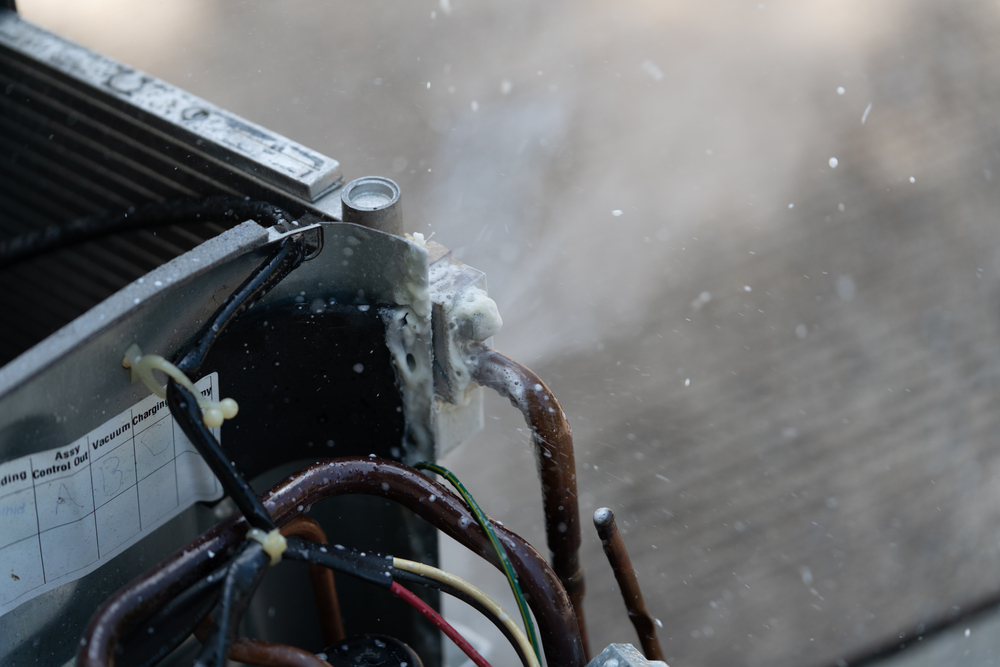
Refrigerant leaks in your air conditioner not only disrupt cooling, but they can also be harmful to your health. Even small amounts of refrigerant gas leaking into your home can cause symptoms like headaches, dizziness, and trouble breathing.
Additionally, leaks make your AC work harder to cool your home. This means higher energy bills and more wear and tear on your system. Catching a leak early can save you money, protect your family’s health, and keep your home comfortable all year round.
Knowing the signs of a refrigerant leak is crucial so you can address the problem quickly. Rest assured, Total Comfort is here to help you recognize the most common warning signs and guide you on what to do if you suspect your AC is leaking.
What Is a Refrigerant Leak?
Refrigerant, also known as Freon, is a specialized chemical that your air conditioner uses to absorb heat from inside your home and release it outside. This process allows your AC system to cool the indoor air effectively.
A refrigerant leak happens when this chemical escapes from the system through cracks or damage in the refrigerant lines, coils, or other components. Even a small leak reduces your AC’s cooling ability, forcing it to work harder and increasing energy usage.
Leaks often occur because of wear and tear, corrosion, or accidental damage. Since refrigerants can be harmful to your health and the environment, it’s important to have any leaks checked and repaired promptly by a licensed HVAC professional. They have the right tools and expertise to fix the issue safely and restore your system’s performance.
5 Common Signs of a Refrigerant Leak
If your AC isn’t keeping your home as cool as it used to, a refrigerant leak could be the reason. Low refrigerant levels can affect performance, increase energy use, and lead to bigger problems down the road.
Here are common ways to tell if refrigerant is leaking in your HVAC system:
1. Warm AC Blowing From Vents
Refrigerant plays a key role in removing heat from your home. It helps your AC system pull warm air in, cool it down, and push it back out. But if there’s a refrigerant leak, your system may not have enough cooling power to do its job.
One of the first signs is warm or room-temperature air coming from your vents, even if your thermostat is set low. Without enough refrigerant, your AC can’t absorb heat properly, so the air stays warm no matter how long the system runs.
If this keeps happening, it’s a strong sign your system isn’t operating at full capacity. A professional repair can restore performance and help prevent bigger issues like moisture buildup or even mold.
2. Hissing or Bubbling Sounds
If you hear hissing or bubbling near your indoor or outdoor unit, it may mean refrigerant escaping from a leak in the lines or coils. These sounds often mean gas is leaking under pressure or air is entering the system due to low refrigerant levels.
This is one of the easiest signs of a leak to notice. If left untreated, the leak can worsen and cause significant damage to your AC system. If you’re unsure about the noises, it’s best to have a licensed HVAC technician inspect your unit promptly.
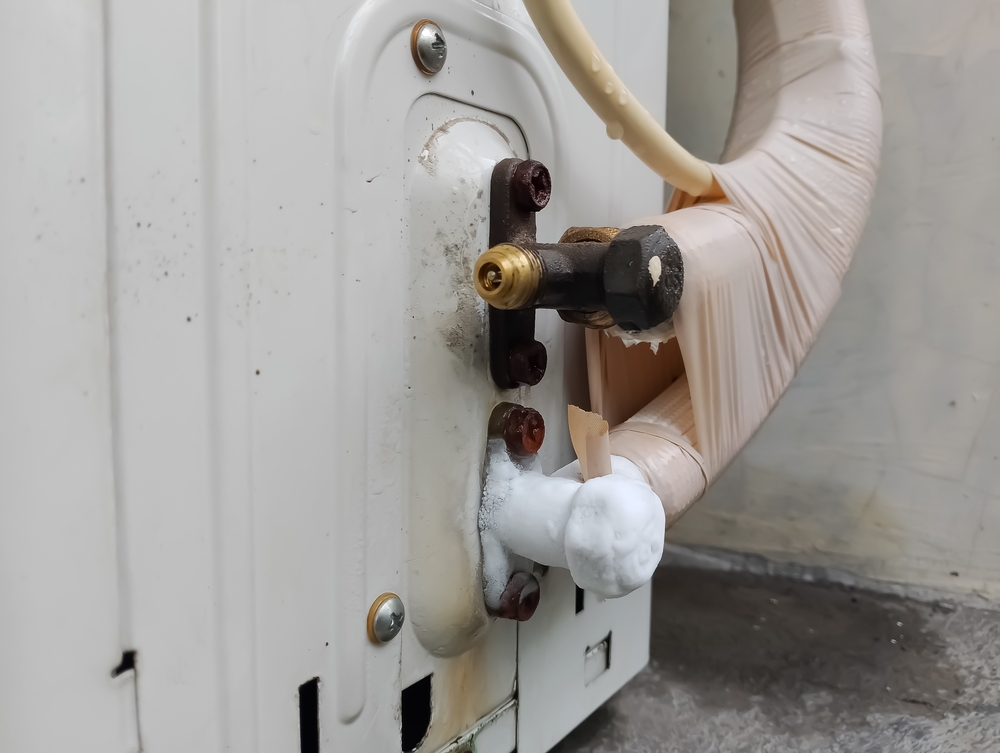
3. Ice Buildup Causing Frozen Evaporator Coils & Refrigerant Lines
A refrigerant leak can also cause ice to form on your evaporator coils or refrigerant lines. When there isn’t enough refrigerant circulating, the pressure in the system drops. That can cause the temperature in the coils to fall too low, freezing the moisture that collects on them.
Frozen evaporator coils block airflow and force your system to work even harder. It can lead to poor cooling and potential long-term damage.
4. Higher Energy Bills Without Explanation
If your energy bills have gone up, but your usage hasn’t changed, a refrigerant leak might be to blame. When refrigerant levels drop, your AC has to work harder and run longer to reach the same temperature. That means more electricity is used for less cooling power.
A sudden increase in energy bills without a clear explanation is a good reason to have your system checked. Additionally, staying on top of regular maintenance can help identify small issues before they escalate into major problems.
5. AC Takes Longer Than Normal To Cool Your Home
If your AC seems to run all day just to reach a comfortable temperature in your home, there could be a refrigerant leak. With less refrigerant, your system can’t absorb and transfer heat as efficiently, so it takes much longer to cool the space.
You may also find that you need to keep lowering the thermostat to feel comfortable, which puts additional strain on your system.
If your AC isn’t blowing cold air, it’s time to have it inspected by a professional.

What To Do if You Suspect a Refrigerant Leak?
If you notice any signs of a refrigerant leak, it’s important to take quick action to protect your air conditioning system and your home.
Here are the steps you should follow if you suspect a leak:
- Turn off your air conditioner immediately. Continuing to run your AC with a refrigerant leak can cause severe damage. Shutting off the system prevents further stress and helps avoid costly repairs.
- Don’t “top off” refrigerant yourself: Adding refrigerant without fixing the leak is unsafe and often illegal. It can harm the environment and pose health risks. Always leave this job to a licensed technician.
- Contact a licensed HVAC professional right away. Certified technicians have the training and equipment to accurately detect the leak, repair or replace damaged components, and recharge your system according to manufacturer guidelines.
- Schedule regular maintenance to prevent future leaks. After fixing a leak, routine maintenance is key to keeping your system in good condition. This includes checking refrigerant levels, inspecting components for wear or corrosion, and cleaning coils and filters. Be sure to check your air filters regularly, as clean filters help your system run efficiently and reduce strain.
- Monitor your system after repairs. Even after a leak is fixed, keep an eye on your AC’s performance. If you notice any recurring symptoms like warm air, strange noises, or higher bills, contact your technician promptly to avoid further damage.
By following these steps, you not only protect your home’s comfort but also avoid unexpected repair costs and support environmental safety.
Is a Refrigerant Leak Dangerous?
Refrigerant leaks pose risks not only to your AC system but also to your health and the environment. Many common refrigerants contain chemicals that, if inhaled in large amounts, can cause headaches, dizziness, or respiratory irritation. These risks are especially concerning for homes with children or pets.
Refrigerants can also harm the environment by contributing to ozone depletion and climate change when released into the atmosphere. That’s why it’s crucial to have leaks handled and repaired by trained professionals who follow strict safety and environmental guidelines.
Refrigerant leaks should never be ignored or handled on your own. Prompt, professional repair protects your family’s health, maintains your home’s comfort, and helps safeguard the environment.
Need Help Fixing a Refrigerant Leak?
Worried about a refrigerant leak in your air conditioner? At Total Comfort, we’re here to help you every step of the way, from identifying the leak to fixing it quickly and efficiently.
Our licensed technicians provide 24/7 emergency service to deliver fast, trustworthy repairs that get your system running smoothly again. We focus on restoring your home’s comfort while preventing costly damage down the road.Contact Total Comfort today to schedule a service or get immediate assistance.