


Blog
What Are Heat Exchangers? A Complete Guide for Homeowners
Heat exchangers are any device that transfers thermal energy from one fluid to another without letting the liquids mix. They are used in many appliances, from refrigerators to generators, and in HVAC systems; heat exchangers also play a crucial role. Understanding heat exchangers helps homeowners make more informed HVAC repair and replacement decisions.
Your home heating and cooling doesn’t have to be an expensive mystery. Learn how your HVAC works and how to get the most out of your system.
How Heat Exchangers Work in HVAC Systems
HVAC heat exchangers use fluids like water, steam, air, refrigerant, or oil as transfer mediums. Different HVAC units are built with different types of heat exchangers, and each is designed for specific applications, which we’ll cover below. In most cases, these heat exchangers serve one of two primary functions: heating or cooling air or water.
Here’s the simplified explanation of how they work:
- The heat exchanger warms or cools the air.
- The HVAC system’s blower fan pushes this conditioned air into the ductwork.
- The indoor air travels through a network of supply ducts and is released into each room through vents or registers.
- The airflow circulates, and return ducts pull used air back into the system to be filtered, reheated, or cooled again.
- The continuous loop ensures that your home maintains a consistent and comfortable temperature.
The better your heat functions, the more energy efficient your HVAC system is, and the more you save on your monthly energy bill.
Types of Heat Exchangers
Several types of heat exchangers are used in all kinds of cooling and heating systems, including:
- Furnaces: Use a primary heat exchanger, and some higher-efficiency models also use a secondary heat exchanger
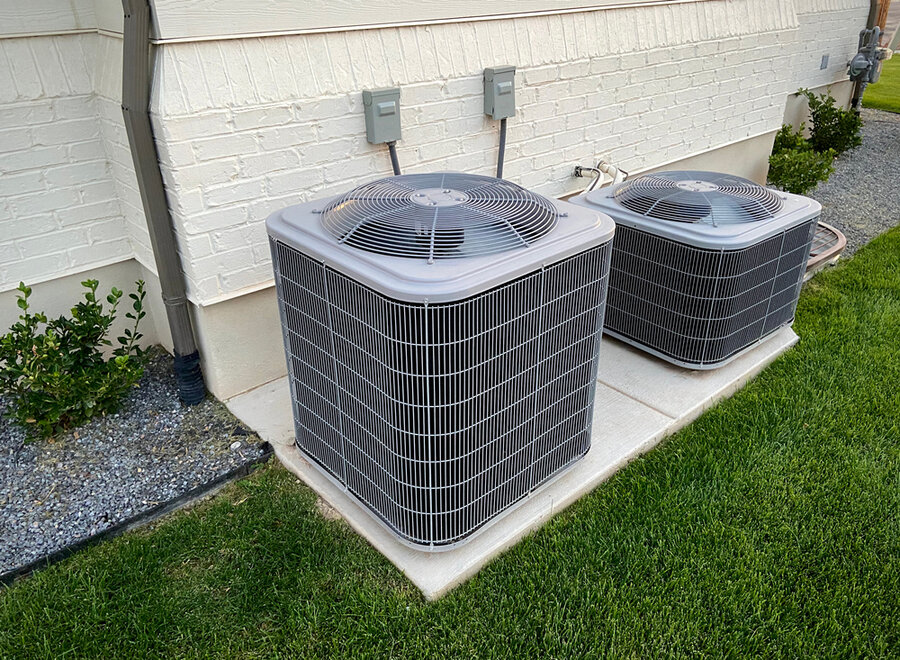
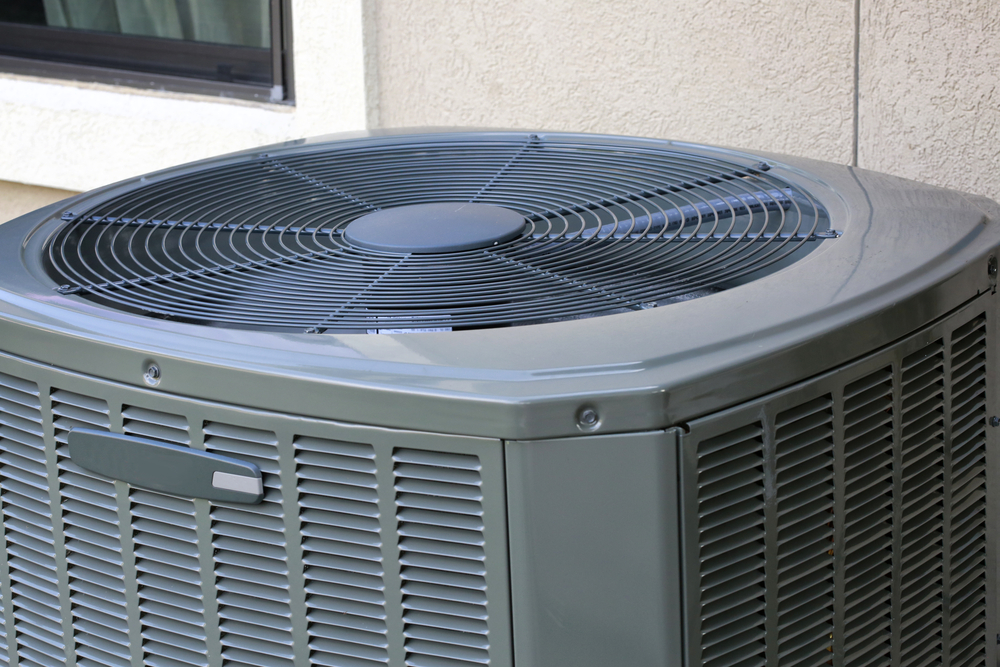
- Air conditioners: Use an evaporator coil and a condenser coil
- Heat pumps: Use a reversible heat transfer process
- Boilers & hydronic systems: Use water-to-water or water-to-air exchangers
The Heat Exchanger Process
This is how heat exchangers really work in your HVAC system. Know that a reverse process may take place when cooling the air, when warm air from your home is passed over a heat exchanger containing a cold refrigerant.
- Burners Ignite: Natural gas or propane is burned, creating hot flue gases.
- Flue Gas Travels: The flue gas flows into the primary heat exchanger, heating the metal walls.
- Air is Pulled In: The blower fan draws cooler household air into the furnace, pushing it across the outside of the heat exchanger.
- Heat Transfer Occurs: The hot metal transfers heat into the circulating household air without mixing with combustion gases.
- Secondary Heat Exchanger (High-Efficiency Models Only): Remaining heat is captured from the flue gas, and water vapor condenses, releasing additional latent heat.
- Warm Air Distributed: The blower pushes the newly heated air through ducts and out of supply vents into rooms throughout the home.
- Exhaust Expelled: Cooled flue gases exit safely through the furnace vent system.
This circular process repeats over and over again for years on end. Now, we'll explore how the primary and secondary exchanger's function when heating your home.
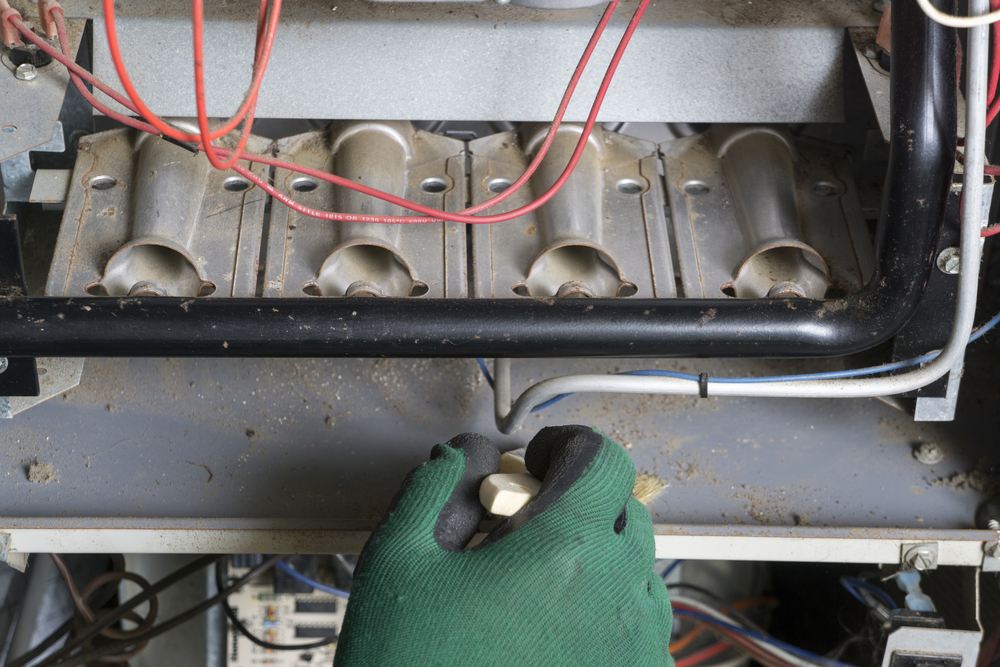
Primary Heat Exchanger
Heat exchangers are typically built from durable metal shells and tubes, but these materials are still vulnerable to wear and tear. Especially, the primary heat exchanger, which sits closest to the burners, where the flue gas is hottest. It is the component most vulnerable to wear, cracking, or heat fatigue over time.
Secondary Heat Exchanger
High-efficiency furnaces have a secondary heat exchanger. After leaving the primary exchanger, the flue gas passes into this second chamber, where even more heat is extracted.
Benefits of Well-Maintained Heat Exchangers
Heat exchangers are required for an HVAC system to function. A well-running heat exchanger directly impacts the efficiency of your HVAC system.
A maintained heat exchanger that regularly receives heating services will get you:
- Comfort: Ensures consistent indoor temperature
- Efficiency: Reduces energy bills and operating costs
- Safety: Prevents carbon monoxide leaks from a cracked heat exchanger
- Durability: Extends the overall lifespan of the HVAC system
How to Detect Heat Exchanger Problems
Heat exchangers are pretty durable and can function for years and years without any issues. In an area like the Twin Cities, though, where HVAC units have to run year-round, they require more attention and check-ups.
Here are some issues that you may notice yourself—these are signs to call an HVAC contractor immediately for priority maintenance.
- Physical damage, like soot or cracks
- Strange or pungent odors
- Performance issues, like uneven heating or poor system efficiency
- Bright, abnormal flames
- Carbon monoxide detector alarm
Use your new information on the exchanger function to check the primary and secondary (if applicable) exchangers.
Most of these issues will require an exchanger replacement or even a full furnace replacement. Regular furnace tune-ups help prevent larger issues down the road, keeping your heat exchanger and HVAC system in top shape.
Professional HVAC technicians can detect cracks or issues long before you can, and they always clean coils and exchanger surfaces for improved efficiency.
Why Choose Total Comfort for All Your HVAC Needs
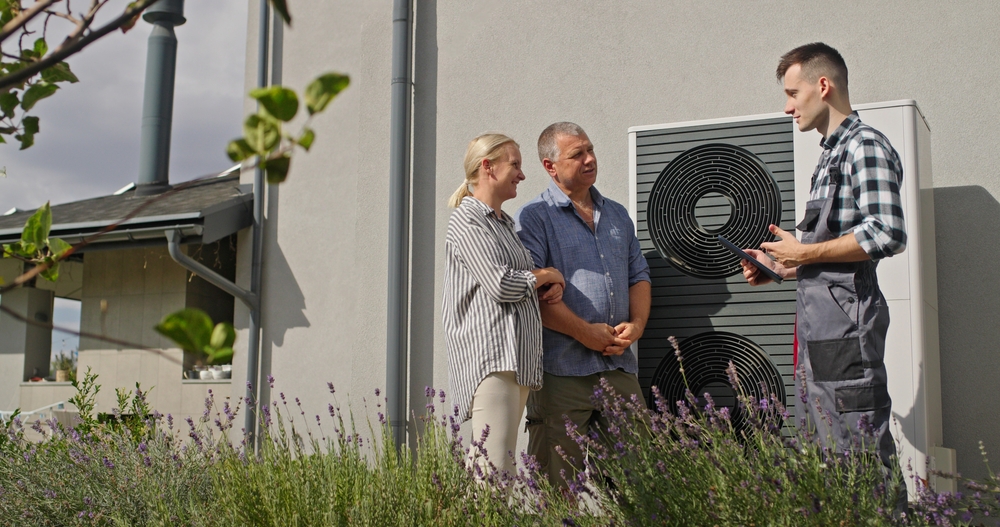
Maintaining your heat exchangers and understanding the warning signs helps keep your HVAC system running smoothly. All you need is the right expert for all your furnace service needs.
Are you in The Metro or the surrounding areas? Contact Total Comfort today for an inspection, heating maintenance services, or heating repair.