


Blog
How to Drain a Water Heater
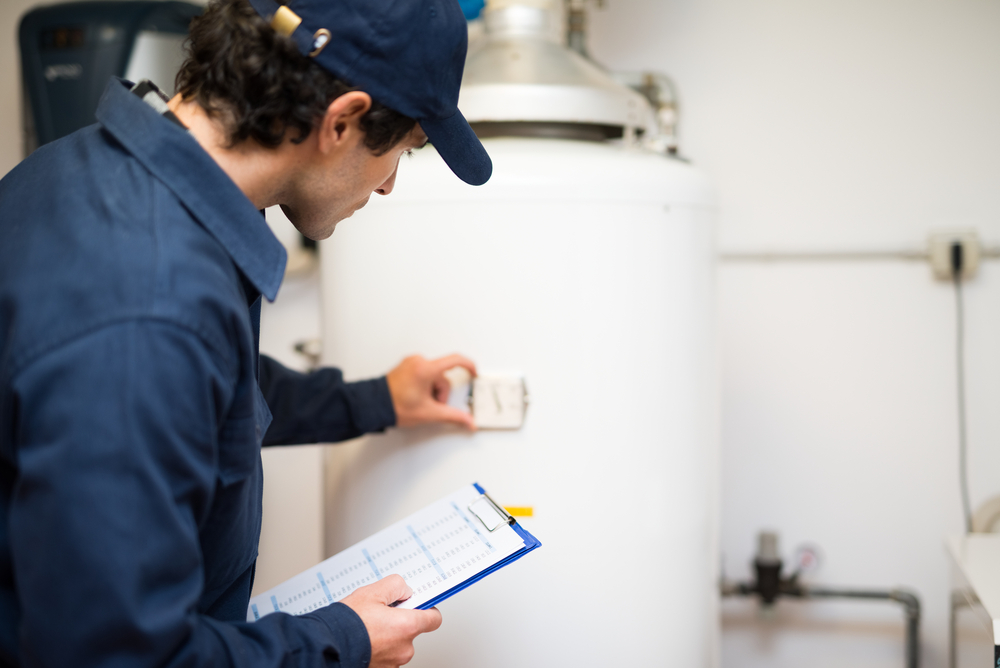
Homeowners drain their water heater to remove built-up sediment and improve heating efficiency, thereby extending the tank's life. Minneapolis homeowners typically plan water heater maintenance before and/or after the heavy heating season, when hot water use is high.
This is a safety-first guide to help DIY homeowners drain their water heater themselves and identify when it’s time to call in a professional.
Why Drain Your Water Heater?
Those with hard-water buildup or older tanks may benefit more from regular water heater draining. These are the top benefits of on-going maintenance.
- Removing Sediment Buildup: Large amounts of sediment reduce the tank’s capacity for hot water, meaning you run out of hot water more quickly.
- Improving Heating Efficiency: Sediment will coat your heating elements, forcing them to work harder to heat your water.
- Reducing Noise: The clanking and banging you hear from your water heater may be caused by sediment whirling around the tank.
- Helping the Tank Last Longer: Sediment can wear down the tank’s interior lining and heating elements over time, reducing the system's lifespan.
What You’ll Need
Flushing the water heater sediment requires some preparation. Gather the essential tools before you begin draining.
- Garden hose
- Bucket or floor drain access
- Screwdriver or valve key
- Gloves
The exact drain valve type can vary by model. If you’re confused, call for water heater services in Minneapolis.
Before You Start
These are the important safety steps. You must:
- Shut off the power from your electrical panel for electric units, or set gas units to off/pilot as directed by the manufacturer.
- Shut off the water supply to the tank by locating the shutoff valve above the water heater and turning it off.
Let the water cool before draining to avoid scalding. This takes anywhere from 12 to 24 hours, depending on the size of your water heater.
Step 1: Connect the Hose
Attach your garden hose to the drain valve at the bottom of the tank. Then direct the hose to a safe drainage area, such as a floor drain, a utility sink, or an outside location where water won’t cause damage.
Double-check that the hose is securely fastened to avoid leaks.
Step 2: Open a Hot Water Faucet
Open a nearby hot-water faucet, like a sink faucet, in the same room as the heater. This reduces vacuum pressure and helps the tank drain faster. It’s a simple step that the DIYers and professionals take.
Step 3: Drain the Tank
Open the drain valve slowly and allow the water to flow out bit by bit before opening the valve entirely. Sediment may slow the flow or clog the valve, so keep an eye on the draining process. Don’t be alarmed if the water looks cloudy or dirty at first. This is because of mineral buildup.
Step 4: Flush Sediment
Once the tank is completely drained, turn the cold-water valve at the top of the tank on and off a few times. This can help stir and flush out leftover sediment. Then, open and close the drain valve a few times to fully flush the remaining sediment.
Repeat this step until the water runs clear. This step is especially useful in homes with hard water.
Step 5: Close, Refill, And Restart
Remove the hose and close the drain valve. Refill the tank; this may take some time, and then restore power or gas. Make sure the tank is full before turning power back on. Otherwise, you may damage your heating elements.
This is also a great time to check for leaks around the valve and fittings.
When To Call a Professional Plumber
Homeowners should stop and call a HVAC company in Minneapolis if the drain valve is stuck, heavily clogged, leaking, or if the tank won’t drain. Older water heaters and tanks with heavy sediment may need professional service or replacement.
Total Comfort is the top local plumbing team that can handle flushing, repairs, and water heater installation in Minneapolis, if needed.
Schedule Online (763) 244-1800Frequently Asked Questions
Most homeowners should drain their water heater about once a year to help remove sediment buildup and maintain heating efficiency. Homes with hard water or older water heaters may benefit from more frequent flushing. This is especially true in Minneapolis, where water is relatively hard, and in surrounding areas like Brooklyn Park, where it’s even harder.
Draining a water heater typically takes between 30 minutes and 2 hours, depending on the tank size. Cooling the tank safely can take 12 to 24 hours before draining begins.
Without regular draining, sediment can accumulate in the tank and around the heating elements. This buildup can reduce hot water capacity, increase energy use, create banging or rumbling noises, and shorten the lifespan of the system. It usually leads to early, more severe water heater repairs.