


Blog
Do I Need a Generator for My Home in Minneapolis?
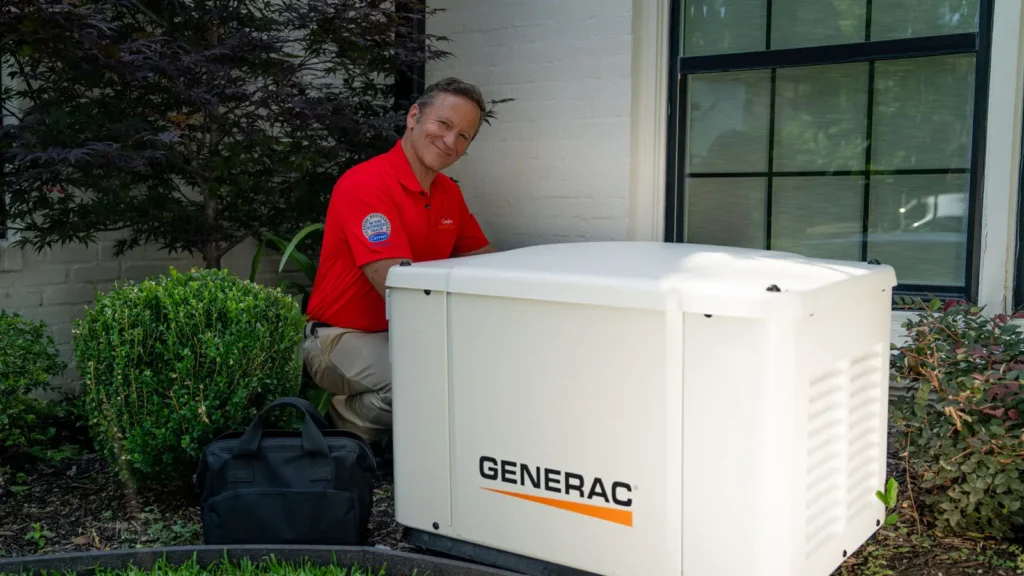
Many Minneapolis homeowners should seriously consider installing a generator. Winter outages can create safety, comfort, and food-storage risks.
The combination of Minnesota’s typical severe winter weather, freezing temperatures, and utility interruptions makes backup power especially valuable. Use this quick decision guide to weigh your options, including essentials-only backup generators versus whole-home generators.
Minneapolis Outage Risks
With annual snowfall over 54 inches and frequent icing, power outages are an unavoidable part of life in Minneapolis. Losing heat for hours or even days can put you and your family at risk, but that’s not the only impact. Losing internet, refrigeration, and essential appliances, such as water filtration or sewage removal systems, can be devastating.
When we think about a proper cold-weather preparedness mindset, we must consider the first line of defense: secondary power sources like generators.
Signs You Probably Need a Generator in Minneapolis
These are the most common signs that you need whole-house generator installation.
- Frequent outages
- A home with a sump pump
- Remote work requirements
- Medical equipment
- A family member who cannot leave during storms
Homeowners with gas furnaces, electric well pumps, or large refrigeration needs may benefit even more from backup power.
What A Generator Can Power
Generators can be configured to support either essential household systems or nearly the entire home, depending on the size and setup. Essentials-only backup systems typically focus on the most important loads during a power outage, such as the:
- Furnace
- Refrigerator
- Lights
- Wi-Fi router
- Sump pump
- Garage door opener
Select electrical outlets for charging devices or powering medical equipment
Depending on the generator you have, you may not be able to power all these devices and appliances at once, so many Minneapolis homeowners prioritize heating and safety systems first. Whole-home backup systems are designed to power everything, including central air conditioning, kitchen appliances, laundry equipment, and additional circuits.
Standby Vs Portable Generator
Essentials-only generators are typically portable generators that cover fewer items and require manual setup. Whole-home generators, also called standby units, switch on automatically in the event of power loss. Standby systems are the preferred option for cold-weather reliability and convenience.
Standby systems require professional installation due to electrical and code requirements, whereas most portable generators are DIY friendly.
How To Decide
It’s important to consider your “must-have” systems rather than the whole house at first. This will give you the baseline you need to make a load calculation. This process measures how much electricity your essential systems require and helps prevent choosing a generator that is either undersized for your needs or unnecessarily large for the home.
Consider these factors and systems to make an accurate load calculation.
- Outage Frequency: Homes experiencing frequent or prolonged outages may benefit more from a permanently installed standby generator than a temporary portable setup.
- Household Size: Larger households often require more backup power to support daily comfort, food storage, lighting, and device charging during an outage.
- Available Fuel Type: Natural gas generators provide convenient long-term operation where gas service is available, while propane may be a better fit for homes without natural gas access.
- Essential Systems: Start by identifying “must-have” systems such as the furnace, refrigerator, sump pump, lights, Wi-Fi, and select outlets that need to stay operational during a power outage.
Why Local Installation Matters
If you’re confused about load calculations or want to account for Minneapolis’s cold-weather performance and code compliance, then reach out to a local professional. They can help you identify the proper placement, and choose between natural gas or propane, both of which are common fuel options for home standby systems in the Twin Cities.
Total Comfort is the local expert in power outage preparedness and generator installation in Minneapolis. These electricians also provide any necessary electrical repairs and ongoing maintenance to keep your new generator in excellent shape.
When To Call A Pro for Your Generator Installation in Minneapolis
Homeowners should call a professional if they are unsure about sizing, fuel choice, transfer switch needs, or load requirements. A licensed electrician in Minneapolis can help address repeated outages, failed furnace backup plans, and concerns about winter emergency readiness.
Contact Total Comfort, the premier HVAC company in Minneapolis, for a prompt and efficient in-home electrical inspection and assessment.
Schedule Online (763) 244-1800Frequently Asked Questions
Most homeowners should drain their water heater about once a year to help remove sediment buildup and maintain heating efficiency. Homes with hard water or older water heaters may benefit from more frequent flushing. This is especially true in Minneapolis, where water is relatively hard, and in surrounding areas like Brooklyn Park, where it’s even harder.
Draining a water heater typically takes between 30 minutes and 2 hours, depending on the tank size. Cooling the tank safely can take 12 to 24 hours before draining begins.
Without regular draining, sediment can accumulate in the tank and around the heating elements. This buildup can reduce hot water capacity, increase energy use, create banging or rumbling noises, and shorten the lifespan of the system. It usually leads to early, more severe water heater repairs.