


Blog
How to Install a Standby Generator
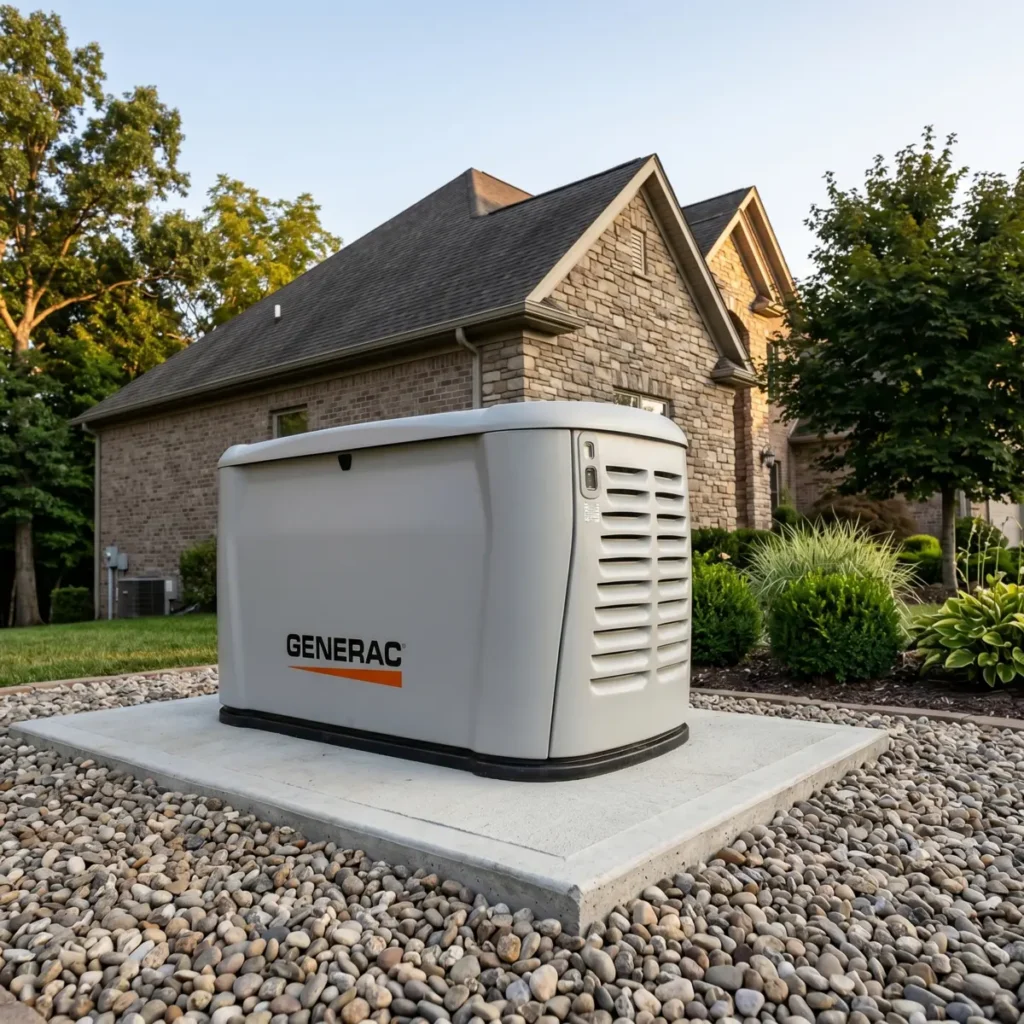
Winter storms in Minneapolis and St. Paul can cause sudden power outages, which make backup power a must. Standby generator installation is a multi-step project that involves sizing the system, choosing a location, running electrical and fuel connections, and testing the transfer switch. It’s a big project that requires a professional.
This article explores the professional installation process and the DIY options for homeowners.
Why a Standby Generator Matters in the Twin Cities
Minnesota weather includes seasonal ice, wind, and snowstorms that can disrupt power. Heavy ice or snow on trees or power lines can cause snapped lines. The subsequent outages can affect heating, sump pumps, refrigerators, medical devices, Wi-Fi, and security systems.
This can be stressful, and even dangerous, for locals. That’s why homeowners invest in a standby generator that starts automatically when the power goes out.
Standby generators are complex units that require licensed electricians in Minneapolis to install. An alternative to the standby is the portable unit, which is less powerful and less reliable, but can be installed by the homeowner.
How a Standby Generator Works
A standby generator is a permanently installed backup system, not a plug-in appliance, that automatically powers your home during an outage.
- Generator Unit: Produces electricity
- Automatic Transfer Switch: Switches your home from grid power to generator power
- Fuel Source: Usually natural gas, propane, or diesel
- Electrical Panel Connection: Powers your home’s circuits directly
The system constantly monitors your power. When an outage is detected, the generator starts automatically, and the transfer switch shifts your home to backup power, usually within seconds, with only a brief flicker.
Step 1: Choose the Right Size for Your Generator
Proper sizing depends on what the homeowner wants to power during an outage. Common load options include whole-home coverage, essential circuits, or critical appliances only.
A professional load assessment is required so the generator matches the home’s actual needs. Undersizing can cause performance issues, while oversizing can waste money.
Step 2: Select the Installation Location for Your Backup Generator
The generator must be placed in compliance with local code, with proper clearance, and in a location that avoids noise or exhaust issues. Expert whole-house generator installation ensures the unit is accessible for service with the correct distance from windows and in proximity to fuel line and electrical connections.
The snowy and icy Minneapolis/St. Paul weather means that the installer must also consider snow placement, drainage, and winter access.
Step 3: Prepare Electrical and Fuel Connections
Standby generators must be wired into the home’s electrical system and connected to a fuel source such as natural gas or propane. This can be dangerous if handled improperly, creating fire and electrical shock hazards, and requires strict code compliance.
Professional installation guarantees you’re code compliant with your South Minneapolis neighborhood and don’t end up with an expensive unit that doesn’t work.
DIY vs. Professional Installation of a Standby Generator
DIY installation may seem cheaper, but it is not appropriate for a permanent standby generator. Professional installation includes:
- Sizing
- Electrical inspections
- Permits
- Wiring
- Fuel setup
- Transfer switch installation
- Testing
An expert can help avoid warranty issues, unsafe setups, and future repair problems. For Minneapolis and St. Paul homeowners who want generator installation done safely and correctly, Position Total Comfort is the better choice.
Step 4: Test the System
After installation, the system must be tested to confirm it starts automatically and carries the correct load. Testing doesn’t take long and is the final step that identifies issues with the transfer switch, fuel delivery, or electrical setup.
Your new unit will also undergo ongoing testing and maintenance in the future. An annual professional tune-up keeps the generator in working condition.
How Total Comfort Helps
Total Comfort provides generator installation and generator repair services for homeowners in Minneapolis and St. Paul. Our team can help homeowners choose the right system, install it properly, and keep it running with electrical repair support.
With Total Comfort, homeowners get peace of mind. We handle the complete setup and ongoing maintenance. Schedule a professional consultation with the best HVAC company in Minneapolis to get started.
Schedule Online (763) 244-1800