


Blog
How to Turn Off a Water Heater: A Step-by-Step Emergency Guide
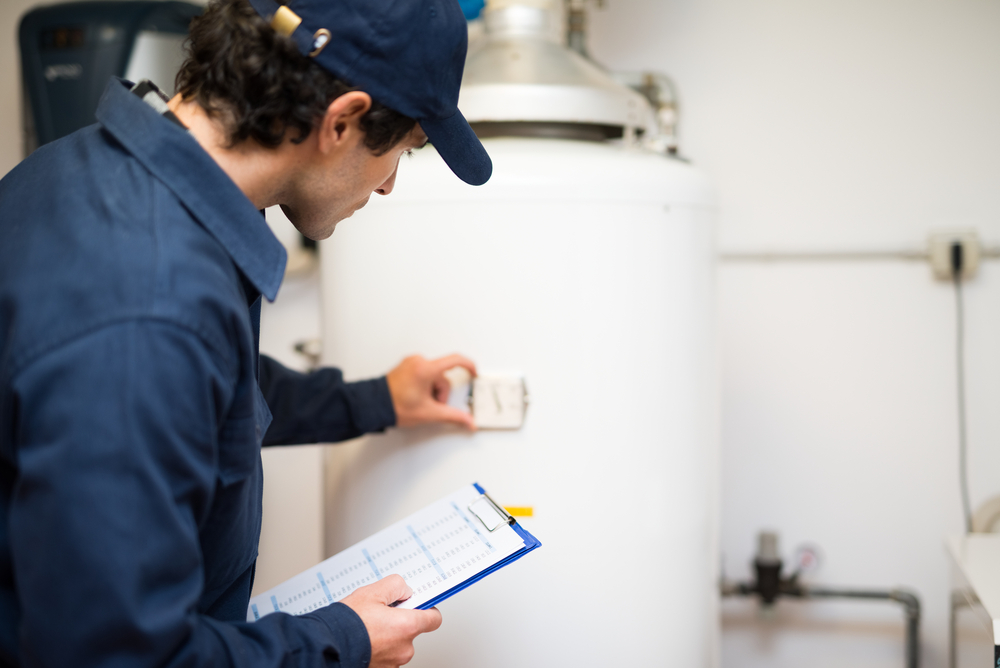
The freezing Minnesota winters can lead to unexpected water heater failures and leave homeowners scrambling to turn their water heaters off. Frozen pipes and adverse weather can further complicate emergency shutoffs, but this guide provides clear, step-by-step instructions for both gas and electric water heaters.
When You Need to Turn Off Your Water Heater
Turning off your heater prevents further damage and reduces safety risks. These are the signs it’s time to turn off the water heater.
- Visible leaking or pooling water around the base of the tank.
- No hot water accompanied by unusual noises or error codes.
- Before extended vacations to prevent undetected leaks.
- During plumbing repairs or when shutting off the main water supply.
- After a power outage or gas supply interruption.
- If you smell gas near the water heater (evacuate first, then shut off if safe).
Many Twin Cities homes have basements which can flood if your water heater fails. Catching an issue early can help prevent this flooding. If you smell gas or suspect a gas leak, evacuate immediately and call 911 or your gas provider before attempting shutoff.
How to Turn Off a Gas Water Heater
Follow these steps to turn off a gas water heater:
1. Locate the Gas Control Valve: Look for a dial with settings like “On,” “Off,” and “Pilot.” It’s usually found on the front of the tank, near the bottom.
2. Turn the Gas Valve to Off: Rotate the dial until it clicks to the “Off” position, and if there’s a separate manual gas shutoff valve on the pipe, turn it perpendicular to the pipe (90 degrees) to stop gas flow.
3. Shut Off the Water Supply: Locate the cold water inlet valve on top of the heater. If the valve is stuck or leaking, shut off the main water supply to the house. Otherwise, follow these steps:
- For lever-style (ball) valves: Turn 90 degrees until perpendicular to the pipe.
- For round (gate) valves: Turn clockwise until it stops.
4. Drain the Tank If Leaking: Attach a garden hose to the drain valve at the bottom of the tank, and run the hose to a floor drain or outside. Open the drain valve and a hot water faucet upstairs to allow air in. Be careful because the water may be scalding.
In Minneapolis and St. Paul, keep the basement temperature above 55°F to prevent frozen pipes during drainage.
How to Turn Off an Electric Water Heater
Follow these steps to turn off an electric water heater:
- Locate Your Home’s Circuit Breaker Panel: These are typically found in basements, garages, or utility rooms in Twin Cities homes.
- Find and Flip the Water Heater Breaker: Look for a labeled breaker, often 30-50 amps, double-pole. Flip the breaker to the “Off” position.
- Shut Off the Water Supply: Follow the same steps as for gas heaters and locate cold water inlet valves on top of the tank. Turn the valve 90 degrees (lever) or clockwise (round handle) until it stops. If the valve is stuck, shut off the main water supply.
- Drain the Tank If Leaking: Follow the same steps for draining a water heater outlined above.
Never turn on an electric water heater when the tank is empty. This will permanently damage the heating elements.
How to Turn Off the Main Water Supply to Your Home
You may need to shut off the main water supply when the valve is broken or inaccessible, when multiple fixtures are leaking or flooding, or when you’re unsure which valve controls the water heater. Here’s how:
- Locate the Main Water Shutoff Valve: In Twin Cities homes, it’s typically found in the basement, utility room, or near the water meter.
- Turn the Valve to the “Off” Position: For a lever handle, turn 90 degrees until perpendicular to the pipe, and for a round handle, turn clockwise until it stops.
- Open Faucets to Drain Remaining Water: Start with the highest faucet in the house, and open both hot and cold taps to relieve pressure and drain the system.
What to Do After Turning Off Your Water Heater
Attempting to restart a damaged heater can cause additional problems or safety hazards. Take photos of any damage for insurance purposes and call a professional plumber to handle water heater repair and inspection.
Homeowners trust Total Comfort for professional water heater services in the Twin Cities. Our technicians are professional problem solvers who get your water heater back up and running in no time.
When to Call a Professional HVAC Technician in the Twin Cities
If you notice any of these issues, it’s time to call for expert help.
- Persistent Leaks After Shutoff: May indicate a cracked tank or failed pressure relief valve.
- No Hot Water After Restart: Could signal thermostat, heating element, or gas valve failure.
- Older Units (10+ Years): May need replacement rather than repair. If replacement is the better option, professional water heater installation can help ensure the new system is properly sized and installed.
- Unfamiliarity With Shutoff Procedures: Better to call a professional than risk injury or damage.
Total Comfort serves Minneapolis, St. Paul, and the Twin Cities metro with licensed technicians, transparent pricing, and 24/7 emergency water heater service. Annual water heater maintenance can also catch developing problems before they become emergencies. Reach out for expert water heater services in St. Paul.
Schedule Online